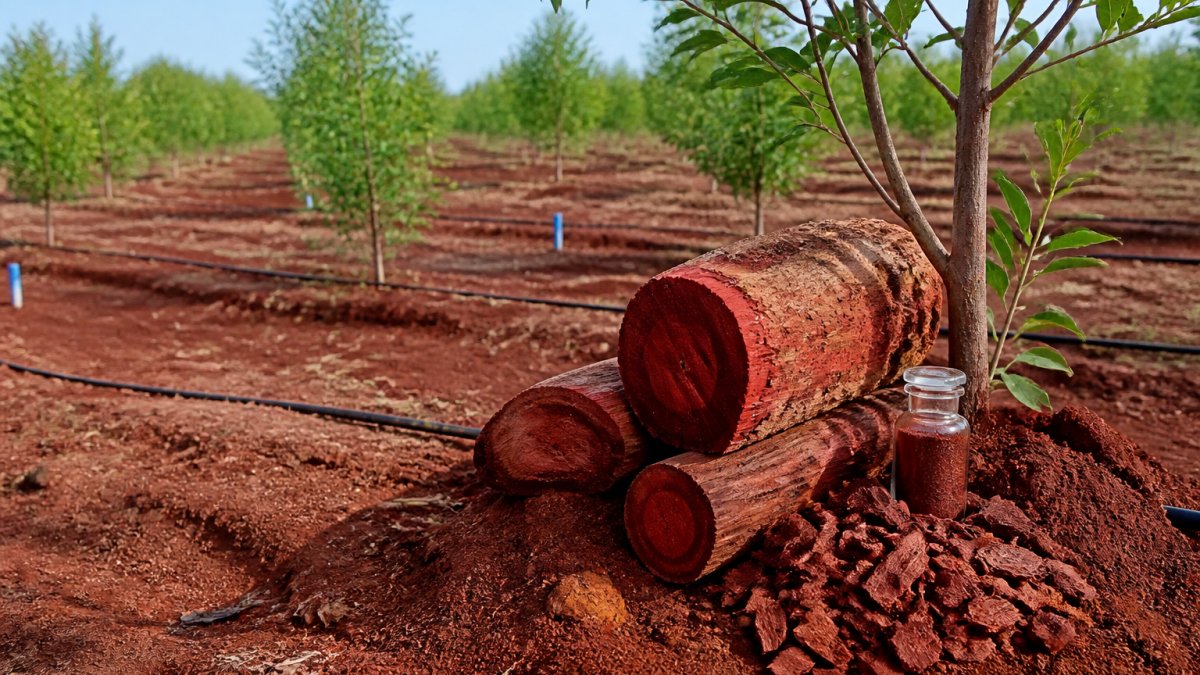
Last Updated: October 25, 2026
Quick Summary
FEMA guidelines for NRI land investment in 2026 allow NRIs and OCIs to buy residential, commercial, and industrial property freely, but prohibit direct purchase of agricultural land, plantation property, and farmhouses. You may still acquire these restricted categories through inheritance, a registered gift, or a lawful resident-owned structure.
- Agricultural land is restricted for direct purchase by NRIs and OCIs under FEMA.
- Inheritance and registered gifts from residents are permitted routes to acquire farmland.
- Buying farmland through a resident relative's name creates a benami problem and risks your title.
- Sale proceeds from inherited property sit in an NRO account under the USD 1 million annual limit.
- The repatriation route is set at purchase, so keep remittance records from day one.
Table of Contents
- Step 1: Confirm Your NRI or OCI Status and FEMA Eligibility for Land Investment
- Step 2: Understand the Rules for NRI Buying Agricultural Land in India
- Step 3: Work Through the NRI Land Due Diligence Checklist
- Step 4: Follow NRI Property Purchase Payment Rules and Funding Channels
- Step 5: Set Up an NRI Power of Attorney for Property Purchase
- Step 6: Plan Sale, Transfer, and Repatriation of Proceeds
- Step 7: Download the NRI Guide and Start Your Compliance Review
- Frequently Asked Questions
Step 1: Confirm Your NRI or OCI Status and FEMA Eligibility for Land Investment
FEMA guidelines for NRI land investment in 2026 start with one question: what does your NRI land investment status let you own?
FEMA, the Foreign Exchange Management Act, governs how non-residents hold assets in India, with rules set by the RBI.
NRIs and OCIs can buy residential and commercial property freely. Agricultural land, plantation property, and farmhouses sit in a different category.
What FEMA Allows Non-Residents to Own
- Open to NRIs and OCIs: residential property, commercial property, and industrial land
- Restricted: agricultural land, plantation property, and farmhouses
- Always open: inheritance of any property type, subject to conditions
A common mistake is treating a serviced plot as commercial. Classification depends on land use, not on whether roads and power exist.
Where Agricultural Land Fits Under the Rules
Agricultural land is restricted for purchase. An NRI or OCI cannot simply buy a farm plot and register it.
Exceptions matter: inheritance is allowed, as is a gift from a resident or from an NRI who acquired the land lawfully.
Buying farmland through a resident relative's name to work around the rule creates a benami problem and puts your title at risk.
Step 2: Understand the Rules for NRI Buying Agricultural Land in India
For NRI buying agricultural land in India, the safe path is not a direct purchase but a structure the rules already permit. Readers weighing options can also review this guide to the safest agricultural land investment in India.
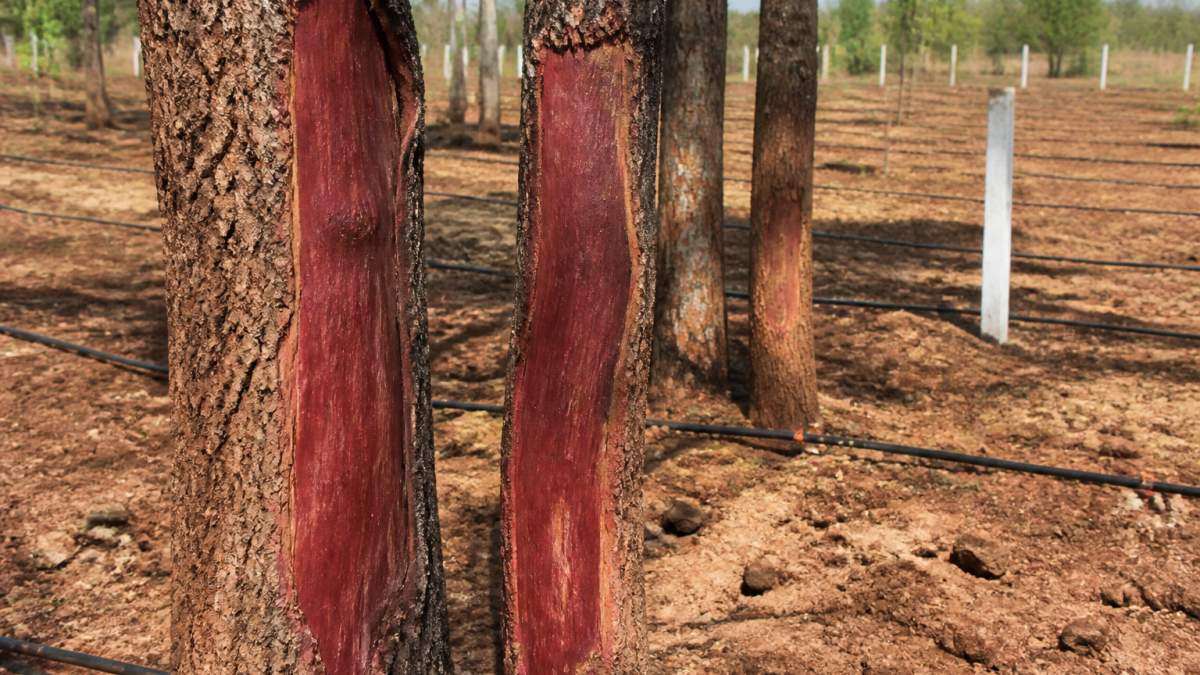
Red sandalwood is a good example. Buyers want the asset, they just need a compliant way to hold it.
At RedGoldAgro, each unit is registered patta land held through a structure designed for non-resident ownership, with every tree tagged and logged with the Forest Department.
What the Rules Actually Prohibit
The prohibition is specific: a person resident outside India, including an NRI or OCI, may not acquire agricultural land, plantation property, or a farmhouse by way of purchase.
Three categories are closed to direct purchase:
- Agricultural land, land recorded as agricultural in the revenue records, regardless of whether it is currently cultivated
- Plantation property, land under plantation crops such as coffee, rubber, tea, or cardamom
- Farmhouses, a dwelling on agricultural land, even if the land itself is small
Classification follows the revenue record, not the listing description. A plot marketed as a 'farm plot' or 'weekend home' may still be agricultural land in the record of rights, and that record controls.
The Three Lawful Doors: Inheritance, Gift, and Resident-Owned Structures
When direct purchase is closed, three doors stay open. Each has its own documentation trail.
Inheritance. An NRI or OCI may inherit agricultural land, plantation property, or a farmhouse from a resident of India, or from a non-resident who acquired the property in accordance with the rules.
Resident-owned structures. A common lawful structure is for a resident entity or family member to hold the land, with the NRI investing through a documented instrument rather than direct ownership.
Watch Out Buying farmland through a resident relative's name to work around the rule creates a benami problem under the Prohibition of Benami Property Transactions Act, 1988. The title is at risk, the transaction can be unwound, and the penalties are severe. The same risk applies to any arrangement where the NRI provides the money but the resident holds the title without a lawful structure.Why Red Sandalwood Fits the Permitted Structure
Red sandalwood (Pterocarpus santalinus) is a restricted species under CITES, and its cultivation and harvest are regulated by state forest departments. That layer is separate from FEMA, which is why the structure matters twice over: the land must be held lawfully, and the trees tagged and logged lawfully.
A managed farmland structure that registers patta land in the investor's name, tags each tree with the Forest Department, and documents the harvest and sale chain addresses both layers.
What to Ask Before You Commit
Before you send money for any farmland structure, ask four questions in writing:
- What is the land-use classification on the record of rights, and can you see the document?
- Who holds title, and through what instrument does the non-resident investor hold an interest?
- If the structure relies on a resident holder, what prevents a benami characterization?
- What is the exit route, and how do sale proceeds leave the country under the repatriation rules?
If any answer is verbal, treat it as unanswered.
Step 3: Work Through the NRI Land Due Diligence Checklist
An NRI land due diligence checklist saves you from the most expensive mistake in this market: buying a plot whose paperwork does not survive scrutiny.
Work through these before you send any money.
- Confirm the seller's title deed and the last several transfers
- Pull the encumbrance certificate for the full holding period
- Check the land-use classification on the official record
Our NRI checklist before a farmland enquiry covers the eligibility, title, and payment questions to raise with your own advisers before you commit.
How to Verify a Plot's Legal Classification and Land-Use Status
Classification decides everything. A plot recorded as agricultural cannot be bought directly by a non-resident, however it is marketed.
Start with the revenue records. The record of rights shows who holds the land and how it is classified.
Then walk the plot. Survey markers, access roads, and boundaries should match the documents. If they do not, stop.
Step 4: Follow NRI Property Purchase Payment Rules and Funding Channels
NRI property purchase payment rules are strict about one thing: the money trail. Every rupee must come through a banking channel, and the source must be documented.
Cash deals and informal transfers create problems you cannot unwind later. Fund the purchase from abroad, through a bank, with a paper trail.
NRE, NRO, and FCNR Account Use
Each account type has a job.
| Account | Best For | Key Point |
|---|---|---|
| NRE | Parking foreign earnings | Funds held in foreign currency, repatriable |
| NRO | Income earned in India | Rent and sale proceeds land here |
| FCNR | Fixed foreign currency deposits | Term deposits in a foreign currency |
A home loan is also an option for residential property. Agricultural land generally does not qualify for the same treatment, which is one reason structure matters.
Step 5: Set Up an NRI Power of Attorney for Property Purchase
An NRI power of attorney for property purchase lets someone act for you at registration when you cannot be there in person.
The document should name a specific person, list the exact powers, and state the property.
Execution follows a fixed path:
- Draft the deed with your lawyer
- Sign it before a notary in your country of residence
- Get it apostilled, or attested at the Indian consulate
- Send the original for registration and adjudication in India
If you are preparing to act, you can contact our NRI investment team to talk through the paperwork.
Step 6: Plan Sale, Transfer, and Repatriation of Proceeds
Sale proceeds and repatriation follow their own rules, and they differ by how you got the property. The RBI sets the limits and the authorized dealer bank applies them at transfer. Getting the sequence right before you sell beats any post-sale fix.
The Two Repatriation Routes
The route depends on how you acquired the property and how you funded it. For a deeper walkthrough, see this guide to repatriating capital from Indian land sales.
Property bought with foreign exchange. If you bought with funds remitted from abroad through banking channels, or from an NRE or FCNR account, the sale proceeds are generally repatriable.
Property acquired by inheritance or gift from a resident. This is the route most NRIs get wrong.
Worked Examples
These illustrative scenarios are not tax advice.
Scenario A: Bought with NRE funds, sold after five years. You bought a residential plot for USD 100,000 using NRE funds and sold it for USD 150,000. The USD 50,000 capital gain is taxed under the applicable regime; after tax, the net proceeds are repatriable because the purchase was funded through banking channels from abroad. The bank needs the remittance advice, purchase deed, and sale deed.
Scenario B: Inherited from a resident parent, sold for USD 400,000. You inherited agricultural land from a resident parent, converted the land use where permitted, and sold it for USD 400,000.
Scenario C: Gift from a resident sibling, sold for USD 250,000. You received a commercial plot as a gift from a resident sibling who bought it lawfully.
Key Takeaway The USD 1 million annual limit is per person, per financial year, and applies to the aggregate of NRO balances you repatriate, not to each property separately. Plan large exits across financial years if the proceeds exceed the cap.Tax Comes Before Transfer
Capital gains tax applies before any transfer leaves the country. The buyer typically withholds tax at source on the sale consideration for non-resident sellers, and the seller claims credit or a refund through the income tax return.
A tax clearance or chartered accountant's certificate is part of the bank's repatriation documentation. Get the tax position reviewed before you sign the sale deed, not after.
Documentation Checklist for Repatriation
The authorized dealer bank will ask for a file, not a story. Assemble these before the sale closes:
- Original purchase deed and the chain of title
- Remittance records or NRE/FCNR account statements showing the funding source
- Sale deed and the buyer's payment records
The Exit Plan Belongs in the Entry Decision
The repatriation route is determined at the point of purchase, not the point of sale. Buy with foreign exchange through banking channels and keep the records, and the exit is straightforward. Buy through a structure that relies on a resident holder, and the exit depends on how that structure is documented. Ask the exit question before the entry question, and the sale will not surprise you.
Step 7: Download the NRI Guide and Start Your Compliance Review
Compliance is not a form you file at the end.
Start with your status, then the land classification, then the funding route, then the paperwork.
You can request the NRI Investment and Legacy Guide and review the managed red sandalwood farmland offering in detail.
The rules are not complicated once you separate them. Status decides what you can own.
RedGoldAgro builds every unit around those three checks. Each investment includes 1,066 square yards of registered patta land, 104 tagged red sandalwood trees, drip irrigation, and 24/7 security, with documentation prepared for future repatriation. Get started with RedGoldAgro.
Frequently Asked Questions
Can an NRI buy agricultural land in India under FEMA?
Under FEMA, a Non-Resident Indian cannot buy agricultural land, plantation property, or a farmhouse outright. Those categories are restricted. An NRI can inherit such land, and with RBI approval may acquire it through gift from a resident or NRI relative. Residential and commercial property purchases are permitted without special approval. For any farmland structure, verify the specific land classification and the source of the interest before committing funds.
What documents should an NRI check before buying land in India?
Start with the title deed and a recent encumbrance certificate to confirm clear ownership. Check the land-use classification and conversion orders, the survey number and patta record, and whether the plot falls under any acquisition or ceiling notification. Confirm the seller's PAN and identity, and keep your own passport and OCI card ready. A local advocate should verify the chain of title for at least 30 years and confirm registration readiness before any payment leaves your account.
How can an NRI pay for property in India?
Funds must come through banking channels, not cash. Use an NRE account for foreign-currency remittances, an NRO account for income earned in India, or an FCNR account for term deposits. A home loan from an Indian bank is also permitted for eligible property. Keep every wire confirmation and bank statement, because the source-of-funds trail is what supports later repatriation. Payments routed outside the banking system create compliance problems that are hard to unwind.
Can an NRI sell property in India and repatriate the proceeds?
Yes, subject to limits and documentation. Sale proceeds from permitted property can be repatriated, generally capped at USD 1 million per financial year from an NRO account, after taxes are paid. You will need the sale deed, tax payment proof, and Form 15CA/15CB support. Repatriation of inherited assets follows a similar path. Keep the original purchase and funding records, because the bank will ask how the property was acquired before releasing funds abroad.
Download NRI Guide Add redgoldagro.com as a preferred source on Google →