Last Updated: November 4, 2026
Quick Summary
Red sandalwood prices are not published on a single exchange, so no reliable per-kilogram figure exists for 2026. Prices depend on product form, heartwood content, grade, quantity and delivery terms, so buyers should request written quotes from several suppliers. Demand is projected to grow, with the market valued at $2.29 billion in 2026.
- Red sandalwood is not priced on a single exchange, so a per-kilogram figure must be tied to a specific product form and grade.
- Ask suppliers for the product form, heartwood percentage, quantity, delivery terms and documentation in every quote.
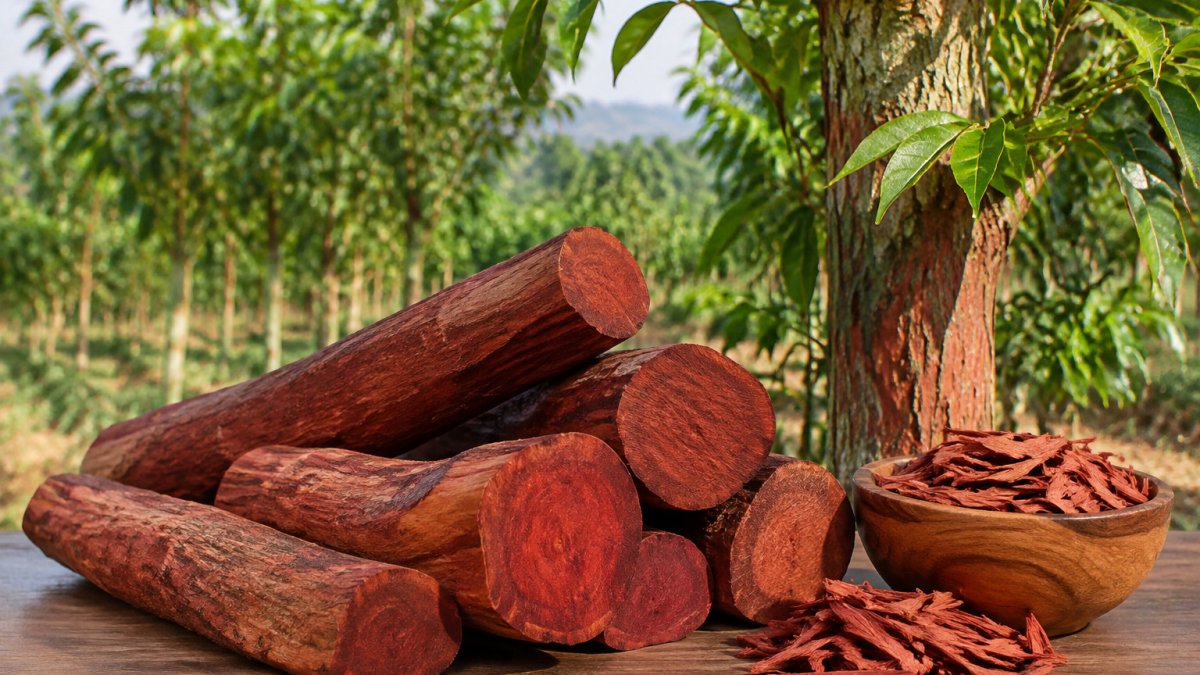
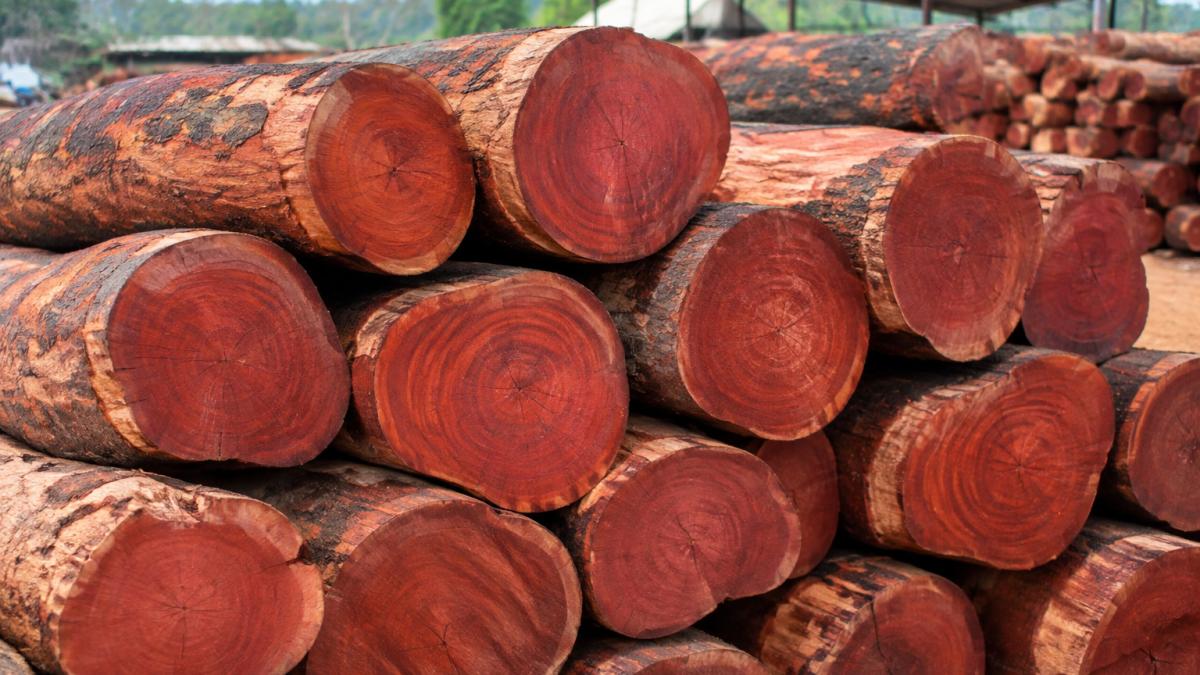
- Heartwood is the valuable deep red core, while sapwood is pale and far less dense.
- Quotes far below the prevailing range often signal a missing grade, a different species or incomplete documentation.
- Mordor Intelligence projects the market will grow from $2.29 billion in 2026 to $3.54 billion by 2031.
Table of Contents
- Red Sandalwood Demand Outlook: Market Growth in Coming Years
- Red Sandalwood Price Per kg in 2026: The Current Range
- Factors That Move Red Sandalwood Prices
- Red Sandalwood Tree Maturity Duration and Its Effect on Value
- Red Sandalwood Investment Returns: What the Price Data Supports
- Legal Compliance and Verification Steps for Investors
- Next Step: Requesting Current Pricing and Documentation from RedGoldAgro
- Frequently Asked Questions
Red Sandalwood Demand Outlook: Market Growth in Coming Years
Red sandalwood is one of the most sought-after timber species in the world, and demand is expected to keep rising. Market research firm Mordor Intelligence values the red sandalwood market at $2.29 billion in 2026 and projects it will reach $3.54 billion by 2031, growing at a compound annual growth rate of 9.08% (Mordor Intelligence Red Sandalwood Cultivation and Marketing Report).
Much of that growth is tied to luxury demand. Readers who want to understand how long red sandalwood takes to mature can read how long red sandalwood takes to mature. Buyers use red sandalwood in fine furniture, musical instruments and decorative carvings, and those end markets tend to hold up when budgets tighten.
Red Sandalwood Price Per kg in 2026: The Current Range
Red sandalwood prices are not published on a single exchange, so any per-kilogram figure must be tied to a specific product form, grade, and transaction type. Pricing depends on quantity, form, dates, and delivery terms, so request a current quote from suppliers before budgeting.
The spread in price exists because a kilogram of sapwood-heavy log is not the same product as a kilogram of clean heartwood.
Processed forms follow a different logic. Small retail sticks and carvings are usually priced by piece or pack, so converting them to a per-kilogram figure distorts the comparison. A single carved item may weigh only a few grams but carry a retail markup that has nothing to do with bulk timber value.
To make a useful comparison, request a written quote that states the product form (log, heartwood block, chip, powder, or finished stick), the grade or heartwood content, the quantity, the delivery terms, and whether the price includes any documentation. A quote that omits these details is not a price benchmark; it is a conversation starter. For current figures, buyers should contact multiple suppliers and compare like-for-like offers rather than relying on any single published range.
Factors That Move Red Sandalwood Prices
Most price differences in red sandalwood come down to a handful of variables that a buyer can actually check. Understanding how each one moves the number is the difference between a fair quote and an expensive lesson.
Heartwood content and color. The deep red core is the valuable part; sapwood is pale and far less dense. A log that is mostly heartwood by volume will command a premium over one with thick sapwood. Buyers should ask for the estimated heartwood percentage or, better, inspect a cross-section. Color intensity is a rough proxy, but it varies by age and origin, so it should not be the only test.
Density and age. Older, slower-grown trees produce denser timber that takes a finer polish and holds its color. Density is often assessed by weight per unit volume or by a simple sink test in water, though the sink test is informal. A denser kilogram is not the same as a lighter kilogram when the product is sold by weight, because the denser wood represents more usable heartwood per gram.
Grade and certification. Graded lots with documented heartwood content and legal sourcing paperwork carry a premium because they reduce risk for the buyer. Uncertified material may be cheaper per kilogram but carries the risk of seizure, rejection, or misrepresentation. The cost of verification is built into the price of legitimate supply.
Quantity and transaction type. Wholesale lots of hundreds of kilograms are negotiated at a discount to single retail purchases. A quote for one kilogram from a retail craft supplier is not comparable to a container-load quote from a timber trader. Always confirm the minimum order quantity and whether the price is per kilogram or per lot.
Delivery, taxes, and documentation. The landed cost includes freight, insurance, import duties, and the cost of permits. A low ex-works price can become expensive once shipping and compliance are added. Ask for a delivered price and a breakdown of what is included.
Species confusion. A lower price may simply reflect a different species. Request the botanical name and, where possible, independent verification.
Watch out: a quote that is dramatically below the prevailing range usually signals a missing grade, a different species, or incomplete documentation rather than a genuine bargain.
A practical approach is to build a simple comparison sheet for each offer: product form, heartwood percentage, density or weight, quantity, documentation status, delivery terms, and total landed cost. That sheet will reveal which quotes are truly comparable and which are hiding a different product behind a per-kilogram number.
Red Sandalwood Tree Maturity Duration and Its Effect on Value
Tree age influences the timber a plantation eventually produces. Investors weighing returns should confirm the expected harvest window with any project provider before committing capital.
Red Sandalwood Investment Returns: What the Price Data Supports
Investment returns depend on three things: the timber price at harvest, the volume of heartwood the trees produce, and the costs of registration, irrigation and security along the way. Published price ranges are wide and future prices are uncertain. One analysis notes that the price a decade from now remains highly speculative and depends on market conditions (Analysis of long-term red sandalwood price outlook). Any return projection should be tested against these ranges, not taken at face value.
For investors comparing projects, RedGoldAgro's red sandalwood farmland investment guide explains how one managed model structures ownership and timber yield, which can serve as a reference point. Read the terms of any offer closely, particularly the yield share and how maturity is defined.
Legal Compliance and Verification Steps for Investors
Legal sourcing matters as much as price. In India, red sandalwood cultivation requires registration with the forest department, and mandatory registration fees of ₹300 per plant apply in Andhra Pradesh (Red sandal farmland registration guidance). Before buying, verify the land title, the registration status of each tree, and the export documentation attached to any timber sale. Investors who are non-resident Indians should also confirm how foreign exchange rules apply to their purchase and to any repatriation of proceeds.
Check each claim against official records rather than marketing material. Ask for the patta land deed, the forest department registration for each tree, and a written statement of the yield-sharing terms.
Next Step: Requesting Current Pricing and Documentation from RedGoldAgro
Prices and terms change, so the figures are a starting point, not a quote. To review current pricing, documentation and the timber yield structure for a farmland unit, request current pricing and documentation from RedGoldAgro before you commit funds.
Frequently Asked Questions
How much does 1 kg of red sandalwood cost?
Actual cost depends on quantity, form, dates, and delivery terms, so request a current quote before budgeting.
What factors influence the price per kg of red sandalwood?
The main drivers are grade and quality, the age and maturity of the wood, the product form (logs, heartwood, chips, powder, or sticks), the volume ordered, and delivery and documentation requirements. Heartwood with strong color and density typically commands higher prices than lower-grade material. Buyers should also expect variation between suppliers, since published ranges are not standardized quotes.
Is investing in red sandalwood timber a viable long-term strategy?
Growth forecasts do not guarantee returns, however, and future prices remain speculative. Investors should review tree maturity timelines, yield share terms, and documentation carefully before committing funds.
Download NRI Guide Add redgoldagro.com as a preferred source on Google →