Last Updated: October 26, 2026
Quick Summary
A Dhanveda Farmlands alternative gives you direct timber exposure through registered land and tagged trees rather than fund units. Managed farmland offers title and a defined yield share at maturity, but you trade daily liquidity for a multi-year horizon. Verify title, Forest Department tagging, and exit terms before committing.
- The NCREIF Farmland Index has returned 10.49% annualized since 1992, per Green Money.
- A survey of 800 asset owners found 11% planned farmland allocations within two years.
- Crowdfunding farmland deals often carry minimums of $10,000 or more per deal.
- Farmland returned 7.83% in 2021 and -1.03% in 2024, the first down year since 1991.
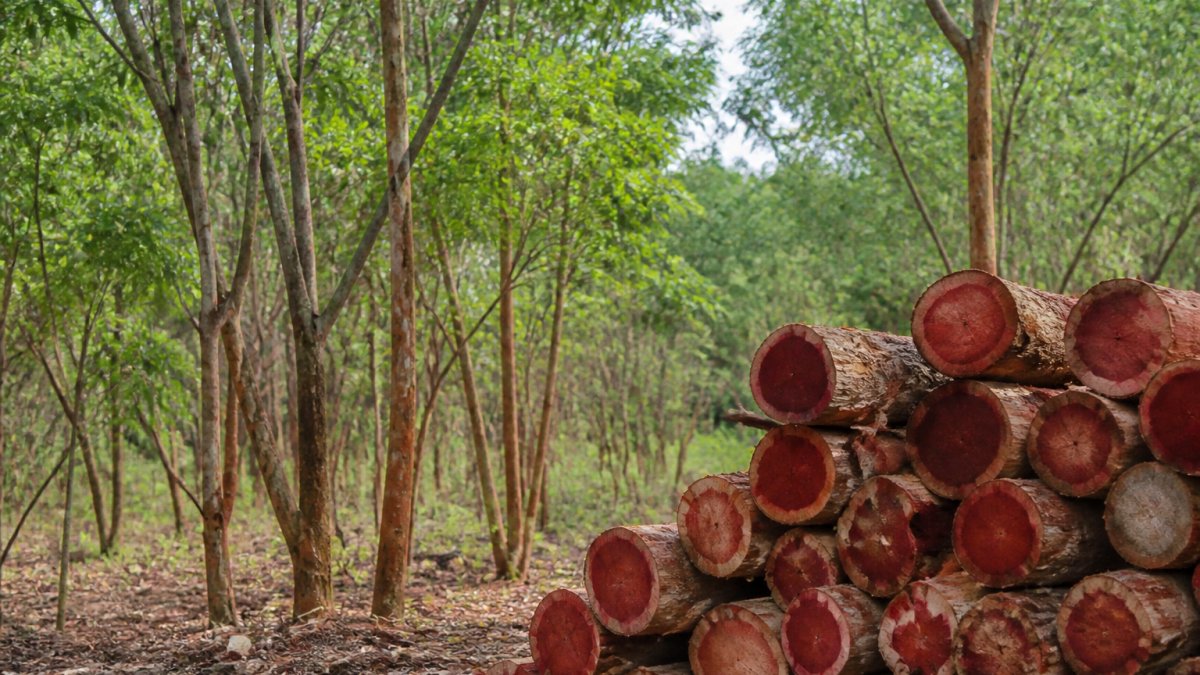
- Each RedGoldAgro unit includes 1,066 square yards of registered land and 104 Red Sandalwood trees.
Table of Contents
- Why Investors Look for a Dhanveda Farmlands Alternative
- Managed Farmland vs Mutual Funds: Where Each One Fits
- Red Sandalwood Demand Outlook and What It Means for Timber Investors
- How Managed Timber Farmland Compares With REITs, Funds, and Crowdfunding
- A Farmland Investment Due Diligence Checklist for Remote Buyers
- Farmland Investment Risks That Decide the Outcome
- Request the NRI Guide Before You Commit Capital
- Frequently Asked Questions
Why Investors Look for a Dhanveda Farmlands Alternative
Investors searching for a Dhanveda Farmlands alternative usually share one goal: they want timber exposure without handing over capital to a structure they cannot fully verify. Farmland has earned a place in portfolios on the strength of long-run numbers, but the route you choose to own it matters as much as the asset itself. According to the NCREIF Farmland Index data reported by Green Money, the index has returned 10.49% annualized since 1992, which is why so many investors now treat agricultural land as a serious allocation rather than a curiosity.
Their concerns include who holds title, what happens if the trees fail, and how money leaves the country. Below, we break down the alternatives, including where a managed farmland model fits and where it does not.
Managed Farmland vs Mutual Funds: Where Each One Fits
The two sit at opposite ends of the liquidity spectrum. Mutual funds and exchange-traded funds give you daily pricing and instant exits; managed farmland gives you land, trees, and a timeline measured in years, not trading days.
A survey of 800 asset owners found that 11% planned to allocate to farmland investments within two years, according to Savvy Investor's asset owner survey. That appetite is driven by diversification and inflation hedging, not by a desire for quick trades.
- Mutual funds and ETFs: high liquidity, low minimums, no operational involvement, but no direct land ownership and no timber-specific upside.
- Managed farmland: registered land title and a timber yield share at maturity, offset by a long-term investment horizon.
- The honest trade-off: you cannot have daily liquidity and direct title in the same product.
For readers weighing this directly, our guide to understanding managed Red Sandal farmland explains land ownership, plantation care, and the questions to settle before committing.
Red Sandalwood Demand Outlook and What It Means for Timber Investors
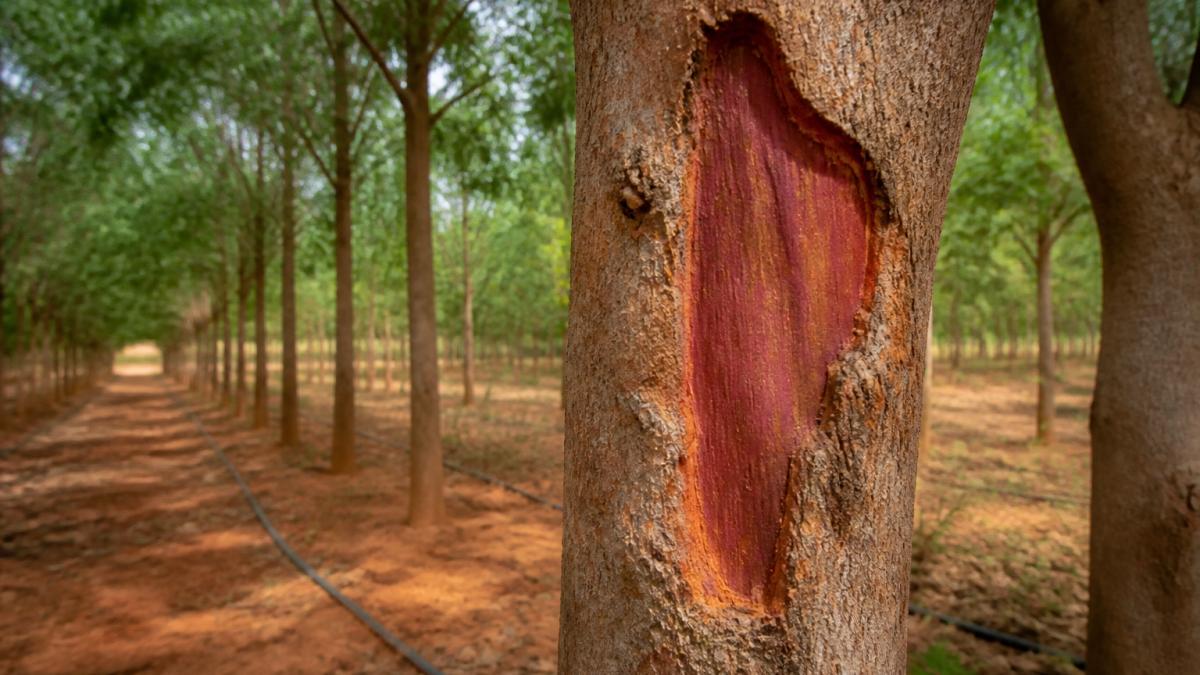
Demand for red sandalwood rests on supply that cannot be expanded quickly.
Buyers who want the full picture on timber exposure, including how non-resident investors are treated, should read our timber yield investment guide for NRIs.
How Managed Timber Farmland Compares With REITs, Funds, and Crowdfunding
Each route solves a different problem, and none is universally better. The table below compares them on what you own, how you get in, what you pay, and how you get out.
| Route | What You Own | Typical Minimum | Liquidity and Exit Route | Ongoing Costs to Verify | Best For |
|---|---|---|---|---|---|
| Managed farmland | Registered land plus trees | Varies by project; often one unit of land | Low; resale depends on finding a buyer or a buyback clause | Management fee, maintenance, security, irrigation, harvest and processing charges | Long-horizon legacy building with direct title |
| Farmland REITs | Traded shares | Cost of one share | High; sell on an exchange during market hours | Fund expense ratio, advisory fees | Income and easy exits |
| Agricultural funds and ETFs | Fund units | Low to moderate | High; daily redemption or exchange trading | Expense ratio, performance fees | Broad commodity or farmland exposure |
| Crowdfunding platforms | Fractional deal stake | Often $10,000 or more per deal | Low; secondary markets are limited or nonexistent | Platform fee, management fee, disposition fee | Deal-by-deal diversification |
| Direct ownership | The land outright | Highest; full purchase price plus closing costs | Very low; months to sell, and buyers are thin | Property tax, insurance, maintenance, farm management | Full control and customization |
AcreTrader's platform, for instance, reports deal minimums from $10,000 on individual farm offerings, per AcreTrader's farmland investing guide. Nuveen notes that direct land holdings are less liquid than commodity investments, though they may capture long-term appreciation, as covered in Nuveen's analysis of globally diversified farmland.
The cost comparison competitors skip
Headline minimums hide the number that matters: total cost of ownership. Before comparing any two routes, build a like-for-like cost sheet that includes:
- Entry costs: purchase price, registration and stamp duties, legal fees, and any platform or subscription fee.
- Ongoing costs: management fee as a percentage of asset value, maintenance and security, irrigation, insurance, and property tax.
- Harvest and exit costs: processing, transport, sales commission, and any early-exit or transfer charge.
- Tax treatment: how rental income, timber sale proceeds, and capital gains are taxed in your jurisdiction.
Exit routes and resale timelines
Liquidity is where farmland routes diverge most sharply. REITs and ETFs let you sell in minutes, but the price you receive reflects daily market sentiment. Crowdfunding stakes often have no secondary market, so your money is locked until the platform sells the underlying asset. Direct land and managed farmland depend on finding a buyer, and resale can take months. Ask each provider: who buys my stake, at what discount, and on what timeline? A written buyback clause with a defined formula is worth more than a verbal promise of easy resale.
A decision matrix for different investor needs
- If you want small tickets and deal-by-deal diversification: crowdfunding, accepting limited control and exit options.
- If you want full control and can manage operations: direct ownership.
For readers weighing this directly, our guide to understanding managed Red Sandal farmland explains land ownership, plantation care, and the questions to settle before committing.
A Farmland Investment Due Diligence Checklist for Remote Buyers
Remote buyers need paperwork, not promises. Use this checklist when evaluating an investment:
-
Verify the land title and confirm registration
-
Confirm the trees are individually tagged and logged with the Forest Department
-
Check foreign exchange compliance for your residency status
-
Confirm the yield-share percentage in writing, with the maturity timeline
-
Confirm the documentation you will hold for future repatriation
Our NRI checklist before a farmland enquiry covers eligibility, title documents, and payment questions to raise with independent advisers.
Farmland Investment Risks That Decide the Outcome
Farmland is not a smooth ride. A 2026 guide reports farmland returned 7.83% in 2021 and -1.03% in 2024, described as the first down year since 1991, per Angel Investors Network's farmland investing guide. Anyone promising uninterrupted gains is selling, not advising.
The risks that actually decide outcomes:
-
Climate and water risk: Van Lanschot Kempen notes that climate, water, and operational data now shape farmland investment decisions, as detailed in Van Lanschot Kempen's farmland investment commentary. Drought, flood, and heat stress can reduce yields or kill trees outright.
-
Currency risk: rupee movements against the dollar can affect returns for non-resident investors.
Downside scenarios competitors rarely model
A useful exercise is to model three scenarios before you commit:
Exit mechanics and resale timelines
Purdue's agricultural economics research frames the commitment of owning and operating farmland as a reason to compare its risk and returns against other asset classes, per Purdue University's farmland risk and return comparison. We agree with that framing: compare, then decide.
Request the NRI Guide Before You Commit Capital
Capital committed to farmland deserves a documented decision, not a hurried one. RedGoldAgro offers non-resident investors registered patta land, tagged trees, and a defined timber yield share. Each unit includes 1,066 square yards of registered land and 104 Red Sandalwood trees, with 24/7 security and drip irrigation, and a 60/40 timber yield share at maturity. We provide full documentation for repatriation and FEMA-compliant ownership, and each tree is tagged and logged with the Forest Department.
Request the NRI Investment & Legacy Guide to review the structure, documentation, and questions to raise with your advisers before you commit.
Frequently Asked Questions
What are the alternatives to Dhanveda farmlands for investors?
Investors may consider direct or managed farmland ownership, farmland REITs and other real estate investment trusts, agricultural funds and exchange-traded funds, and crowdfunding platforms. Each route differs on control, liquidity, and due diligence.
How does managed farmland compare with mutual funds?
Managed farmland is a long-term investment. Treat it as distinct from liquid holdings.
What risks should investors consider before investing in farmland?
Investors may consider liquidity, operational, legal, climate, regulatory, and currency risks when evaluating farmland.
How can investors verify farmland ownership and legal documents?
Review the land documentation and confirm how the land is held. For timber projects, ask about tree tagging and Forest Department records. Consider seeking independent advice before investing.
What should investors ask a managed farmland company before investing?
Ask for the yield-share terms, the maturity timeline, and the documentation provided for repatriation. RedGoldAgro's corporate incorporation record is MCA CIN U02000AP2020PTC114716. Ask for current pricing or a quote.
Timber exposure rewards patience and punishes shortcuts. If you want a managed route with clear title, tagged trees, and a defined share of the harvest, RedGoldAgro is built for exactly that. Get started with RedGoldAgro and review the full investment documentation before your first conversation with an adviser.
Download NRI Guide Add redgoldagro.com as a preferred source on Google →