Last Updated: November 2, 2026
Quick Summary
To verify Indian agricultural land deeds, cross-check the registered sale deed against the Record of Rights, survey and patta numbers, and an Encumbrance Certificate, then trace the chain of title back roughly 30 years. Learning how to verify Indian agricultural land deeds means matching seller identity, land area, and boundaries across every document before you pay.
- Computerised land records are available online under the Digital India Land Records Modernization Programme.
- Match the seller's name, land identifier, and land area across the deed, RoR, and village map.
- An Encumbrance Certificate shows registered charges but not unregistered disputes or encroachment.
- Order certified copies of the registered deed and Encumbrance Certificate from the Sub-Registrar's office.
- Have an independent lawyer review all documents and discrepancies before you sign anything.
Table of Contents
- Why Verifying Agricultural Land Deeds Matters for NRIs
- Check Land Records Online by State in India
- Verify Patta and Survey Number India: A Step-by-Step Guide
- Obtain an Encumbrance Certificate for Agricultural Land India
- The Agricultural Land Due Diligence Checklist India Buyers Need
- How to Verify Indian Agricultural Land Deeds: The Complete Workflow
- Download Your NRI Guide to Verify Agricultural Land Deeds
- Frequently Asked Questions
Why Verifying Agricultural Land Deeds Matters for NRIs
A due-diligence checklist recommends tracing the chain of title for roughly 30 years, according to Talking Lands' land due diligence checklist. That single recommendation explains why learning how to verify Indian agricultural land deeds matters so much for buyers living abroad. NRIs also need to understand the FEMA compliance rules that govern their agricultural land purchases and deed verification. At RedGoldAgro, we work with non-resident investors every day, and the same question comes up first: how do I know this land is really mine?
A land deed is the registered document that records a transfer of ownership. It is not, on its own, proof that the seller owns the land today. Ownership is generally determined through a set of documents, including registered sale deeds, the Record of Rights, and government survey records. Cross-check, never trust one paper.
For NRIs, the stakes are higher. You cannot walk the boundary on a weekend, so you rely on records, scans, and people on the ground. Below, you will find how to check each layer, from state portals to the Sub-Registrar's office.
Check Land Records Online by State in India
Start online, but treat the portal as a first filter, not a verdict. The Department of Land Resources says computerised land records are made available online under the Digital India Land Records Modernization Programme, per the Department of Land Resources.
Each state runs its own land-record portal. Names and formats differ, so search for the state plus "land records" and confirm you are on a government domain. Typical steps:
- Open the state land-record portal.
- Pick district, tehsil, and village.
- Search by owner name or by survey, plot, dag, khasra, or khata number.
- Download the Record of Rights and the village map.
- Save dated copies for your file.
An online entry can lag behind a recent mutation, so a clean portal result never replaces a certified copy from the registry.
Verify Patta and Survey Number India: A Step-by-Step Guide
To verify patta and survey number records, match three things: the seller's name, the land identifier, and the land area. If any one of them disagrees, stop and ask why. But before you can match them, you need to know what each document actually is and where it comes from.
Know the identifiers. A survey number (also called a plot, dag, or khasra number) identifies the parcel on the cadastral map. A patta is the revenue record that shows who holds the land and under what tenure.
Pull the Record of Rights (RoR). The RoR, sometimes called the khatauni, jamabandi, or RTC depending on the state, lists the landowner, the area, the land classification, and mutation entries. Read it line by line.
Read the land classification. Confirm the land is recorded as agricultural. Note any restrictions on use, conversion, or transfer. Agricultural land often carries ceilings, tenancy protections, or restrictions on who may buy it, and those rules vary by state.
Check encumbrance. Look for existing claims, loans, or litigation flags on the RoR and in the Encumbrance Certificate. A clean RoR does not mean a clean title; it means no registered charge appears in that record.
Compare with the deed. The survey number, area, and boundaries on the registered deed must match the current revenue records. If the deed says 2.5 acres and the RoR says 2.3, find out why before you proceed.
Confirm the village map. The FMB sketch and village map show the plot shape and boundaries. Ask for the map that corresponds to the survey number and compare it with the deed's description.
Trace the chain of title. Do not stop at the current owner's name. Ask for prior deeds and follow each transfer back roughly 30 years. Check inheritance documents, partition deeds, and legal-heir claims.
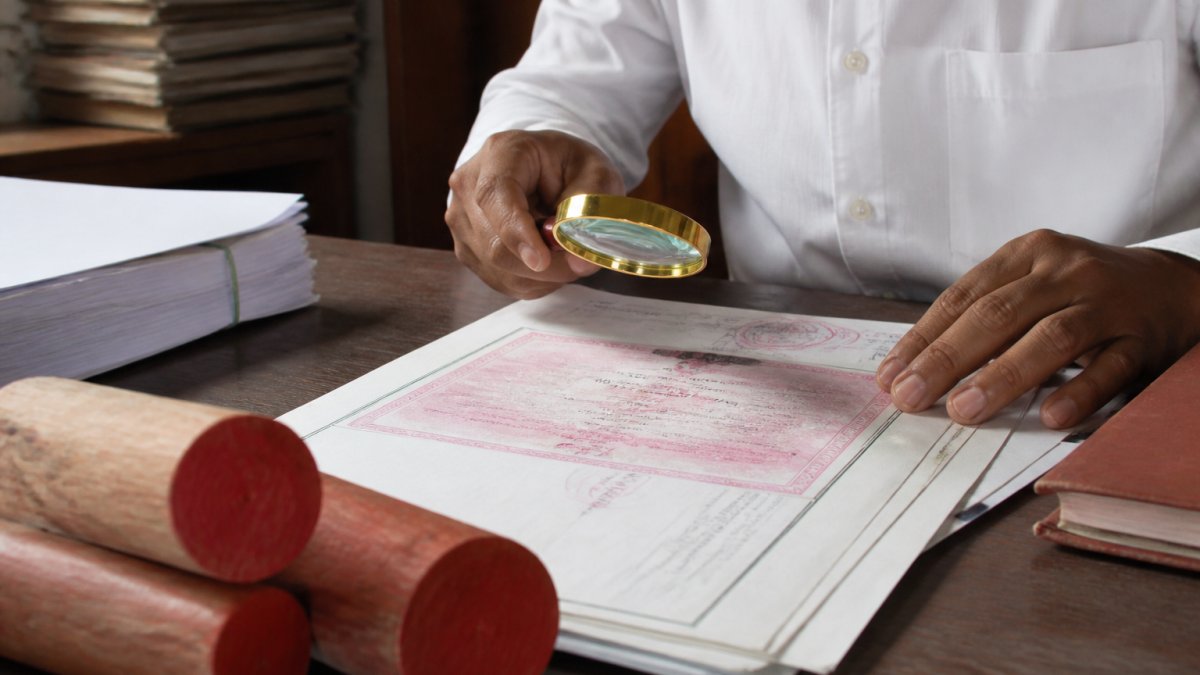
A common mistake is accepting a photocopy. Ask for a certified copy of the registered deed from the Sub-Registrar's office.
Obtain an Encumbrance Certificate for Agricultural Land India
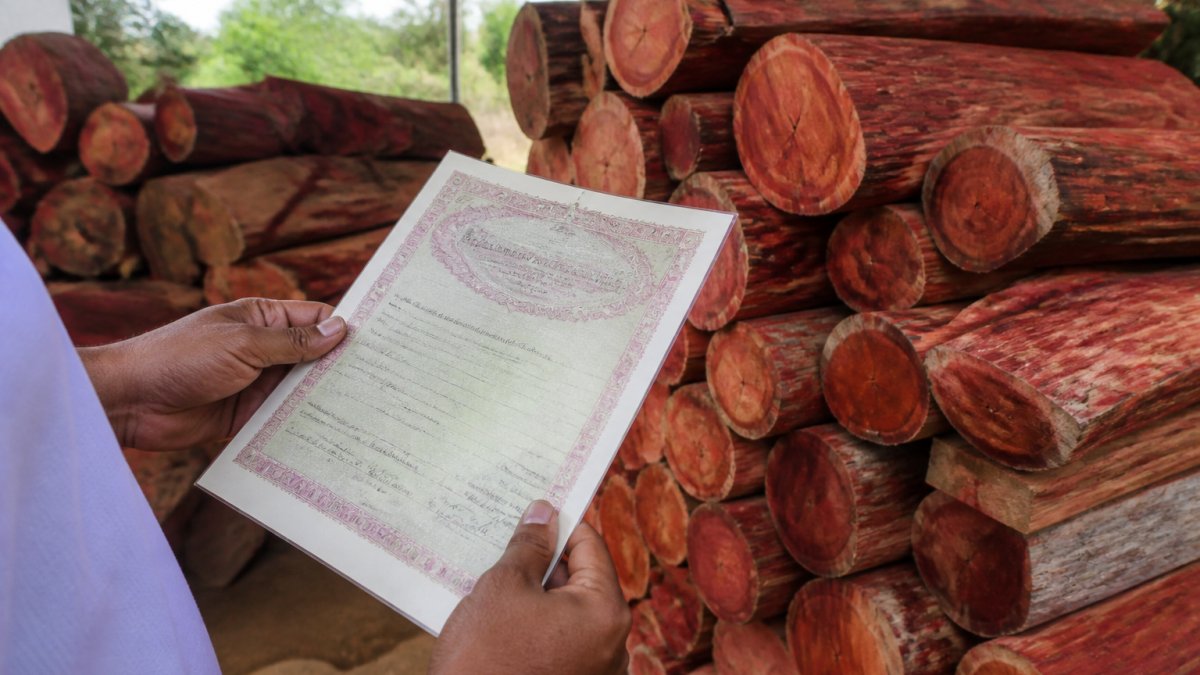
An Encumbrance Certificate is a record of registered transactions and charges on a property over a set period. It shows whether the land is already pledged, sold, or under a registered claim. For agricultural land, request a certificate covering as long a window as the local office allows, and compare it against the chain of title.
The certificate does not capture everything. Unregistered disputes, family claims, and physical encroachment will not appear on it. That is why the verification guide from LegalVerifier's agricultural land verification guide lists physical verification and legal scrutiny as separate steps from land-record checks. Online records help you check, but they do not resolve every legal or physical issue.
The Agricultural Land Due Diligence Checklist India Buyers Need
Use this agricultural land due diligence checklist before any payment. Each item includes what to ask for and what a clean result looks like.
- Seller identity confirmed against government ID. Match the name on the deed, the RoR, and the seller's passport or Aadhaar. Ask for a certified copy of the ID, not a phone photo.
- Registered sale deed, certified copy in hand. Request the certified copy from the Sub-Registrar's office. A photocopy is not enough.
- Chain of title traced back roughly 30 years. Collect prior deeds, partition deeds, and succession documents. Follow each transfer and note any gap.
- Record of Rights and mutation entries reviewed. Check the landowner name, area, classification, and every mutation entry. Confirm the latest mutation matches the deed.
- Encumbrance Certificate obtained. Request a certificate covering as long a window as the local office allows. Compare it against the chain of title.
- Survey, plot, and khasra numbers matched across documents. The numbers on the deed, RoR, and village map must agree. If they do not, ask the revenue office to explain the difference in writing.
- Land classification and permitted use confirmed. Verify the land is recorded as agricultural and check state rules on conversion, ceilings, and who may buy it.
- Physical boundary and survey verification completed on site. Walk the boundary with the village map and, if possible, a surveyor. Confirm access and possession.
- Inheritance and family claims checked. Ask for legal-heir certificates, partition deeds, and any family settlement. Unregistered claims will not appear on the Encumbrance Certificate.
- Independent legal opinion obtained. Have a lawyer review the documents and discrepancies before you sign anything.
For NRI-specific eligibility and payment questions, work through the points above with your advisers before you commit. A checklist item marked complete on paper is not the same as verified, so demand the underlying document for each line.
How to Verify Indian Agricultural Land Deeds: The Complete Workflow
Here is the full workflow we would follow, from first document to final decision.
- Collect documents. Ask for the sale deed, prior deeds, patta, RoR, tax receipts, and survey map.
- Run portal checks. Pull current land records by survey number and owner name.
- Order certified copies. Get the registered deed and Encumbrance Certificate from the Sub-Registrar.
- Trace the chain of title. Follow each transfer back roughly 30 years and check inheritance.
- Verify the seller. Match ID, ownership, and authority to sell.
- Inspect physically. Confirm boundaries, access, and possession on site.
- Get a legal opinion. Have an independent lawyer review discrepancies.
- Decide. Proceed only when every layer agrees.
If the online record and the registered deed disagree, do not guess. Ask the Sub-Registrar and a lawyer to explain the gap in writing before you sign anything. Once verification is clean, compare your options carefully before committing.
Here is the full verification workflow, from first document to final decision.
| Step | What to do |
|---|---|
| 1 | Collect sale deed, prior deeds, patta, RoR, tax receipts, survey map |
| 2 | Run portal checks by survey number and owner name |
| 3 | Order certified deed and Encumbrance Certificate from Sub-Registrar |
| 4 | Trace chain of title back roughly 30 years |
| 5 | Verify seller: match ID, ownership, authority to sell |
| 6 | Inspect physically: boundaries, access, possession on site |
| 7 | Get independent legal opinion on discrepancies |
| 8 | Decide: proceed only when every layer agrees |
Download Your NRI Guide to Verify Agricultural Land Deeds
Verification is the foundation. The next step is choosing an asset you can hold for the long term, and that is where Red Sandalwood farmland stands apart.
Red sandalwood is prized for its deep red heartwood, and demand for it continues to grow as supply stays tightly controlled. Pictures of red sandalwood logs show the color clearly: a rich, dark red that buyers pay for. We expect demand for legally documented red sandalwood to keep rising in the coming years, which makes clean title records even more valuable.
RedGoldAgro offers fully managed red sandalwood farmland in Kanigiri, Andhra Pradesh. Each unit includes 1,066 square yards of registered patta land and 104 red sandalwood trees, with a 60% timber yield share at maturity.
Frequently Asked Questions
How can I verify agricultural land ownership records in India?
Start by checking the state land-record portal for the Record of Rights (RoR) or 7/12 extract, which lists the landowner's name. Cross-check this with the registered sale deed at the Sub-Registrar's office and obtain an Encumbrance Certificate to confirm there are no existing claims. For a thorough check, trace the chain of title for approximately 30 years, as recommended by due-diligence guides. Always combine online records with physical verification and legal scrutiny, since a single document is not conclusive proof of ownership.
How do I check whether an Indian land deed is genuine?
Request a certified copy of the registered deed from the Sub-Registrar's office where it was registered. Compare the deed's details, such as the survey number, plot number, and owner name, with the current land records and the Encumbrance Certificate. Look for discrepancies in land area or boundaries. Verify the seller's identity against the deed and the RoR. If anything seems off, have a local lawyer review the documents. Online records are useful for checking, but they do not replace physical verification and legal scrutiny.
Which documents should I check before buying agricultural land in India?
Use an agricultural land due diligence checklist India buyers rely on: the registered sale deed, Record of Rights (RoR) or 7/12 extract, Encumbrance Certificate, mutation entries, survey map or FMB sketch, land classification and permitted use, and the seller's identity proof. Also check for inheritance documents if the land is ancestral. A due-diligence checklist recommends tracing the chain of title for approximately 30 years. Cross-check all documents against official records and have a lawyer review them before you commit.
Is an online land record enough to confirm ownership in India?
No. Online land records are a useful starting point, but they do not resolve every legal or physical issue. PRS Legislative Research notes that ownership is determined through a set of documents, including registered sale deeds, RoR, and government survey records. Verification guides also include physical verification and legal scrutiny as separate steps. Treat online records as one part of a broader verification process that includes checking the registered deed, obtaining an Encumbrance Certificate, and confirming physical boundaries.
Verifying a deed is slow, document-heavy work, and doing it from abroad makes it harder. RedGoldAgro handles the legal groundwork for you, with registered patta land, Forest Department logging, and full documentation for repatriation. Request the NRI Investment & Legacy Guide or contact RedGoldAgro to arrange a farm visit and review the paperwork yourself. Get started with RedGoldAgro and build a legacy asset on land you can verify.
Download NRI Guide Add redgoldagro.com as a preferred source on Google →