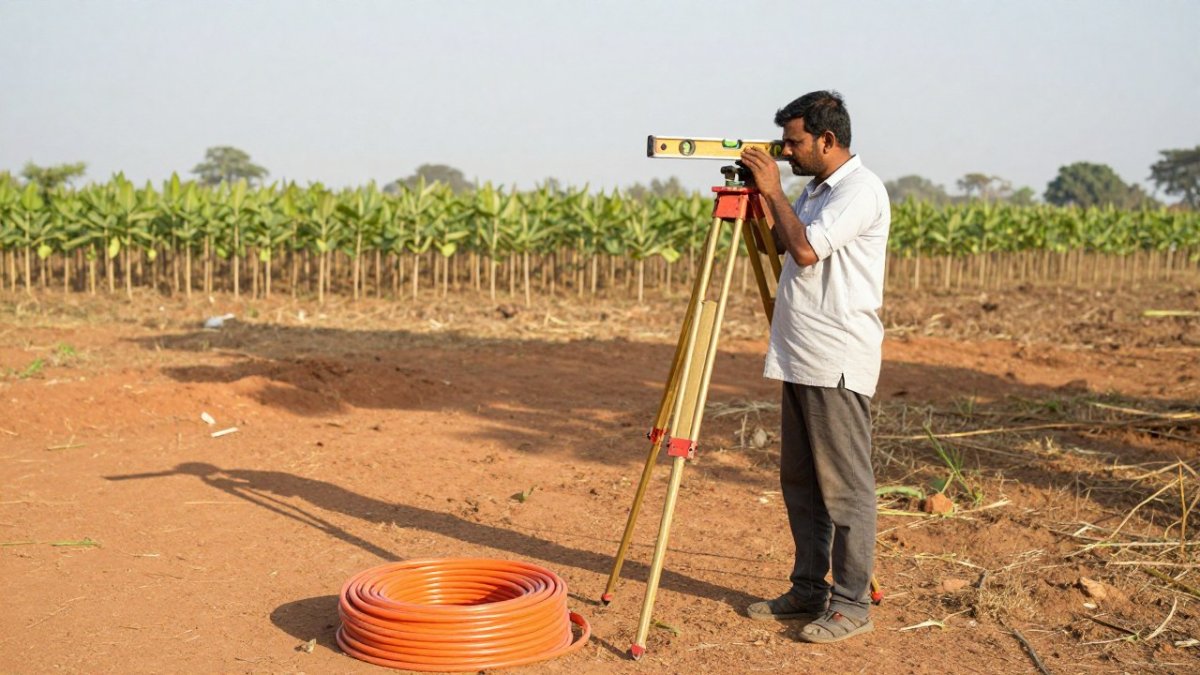
Last Updated: November 12, 2026
Quick Summary
To learn how to convert agricultural land for other uses in India, confirm ownership in the revenue records, check the master plan zoning, then file the state's prescribed conversion form with the district revenue department and complete post-approval compliance. Conversion is a state subject, so the authority, form, and timeline differ by state. The order alone is not the finish line, you must update land records and obtain building permission before construction.
- Conversion is a state subject, so rules, authorities, and forms differ across states.
- A pending mutation application can freeze your conversion file until resolved.
- Most states accept applications online through a state revenue or e-district portal.
- Approval usually takes a few weeks to several months, with no national timeline.
- Building on farmland before the conversion order risks penalties and demolition.
Table of Contents
- What Agricultural Land Conversion Means and When You Need It
- The Agricultural Land Conversion Process, Step by Step
- Documents Required for Land Conversion Applications
- How the Agricultural Land Conversion Application Online Works
- Land Conversion Approval Time and What Affects It
- Matching the Conversion Type to Residential, Commercial, or Industrial Use
- Common Mistakes, Restrictions, and Post-Approval Compliance
- Reviewing a Managed Farmland Investment Before You Commit
- Frequently Asked Questions
What Agricultural Land Conversion Means and When You Need It
Agricultural land conversion is the legal process of changing a piece of farmland's official land-use classification so it can be used for something other than farming.
Here is the part most guides skip: conversion is a state subject, not a national one.
You need conversion when you plan to:
- Build a home or housing project on farmland
- Open commercial premises or a warehouse
- Set up an industrial or institutional unit
- Develop plots for sale as non-agricultural land
You do not need it to keep farming, lease the land for agriculture, or hold it as a long-term asset.
The Agricultural Land Conversion Process, Step by Step
The agricultural land conversion process follows four stages: confirm ownership, check zoning, apply to the right authority, then complete post-approval compliance. Skipping any stage sends the file back, and the specifics, which office, which form, which clearance, change dramatically from one state to the next.
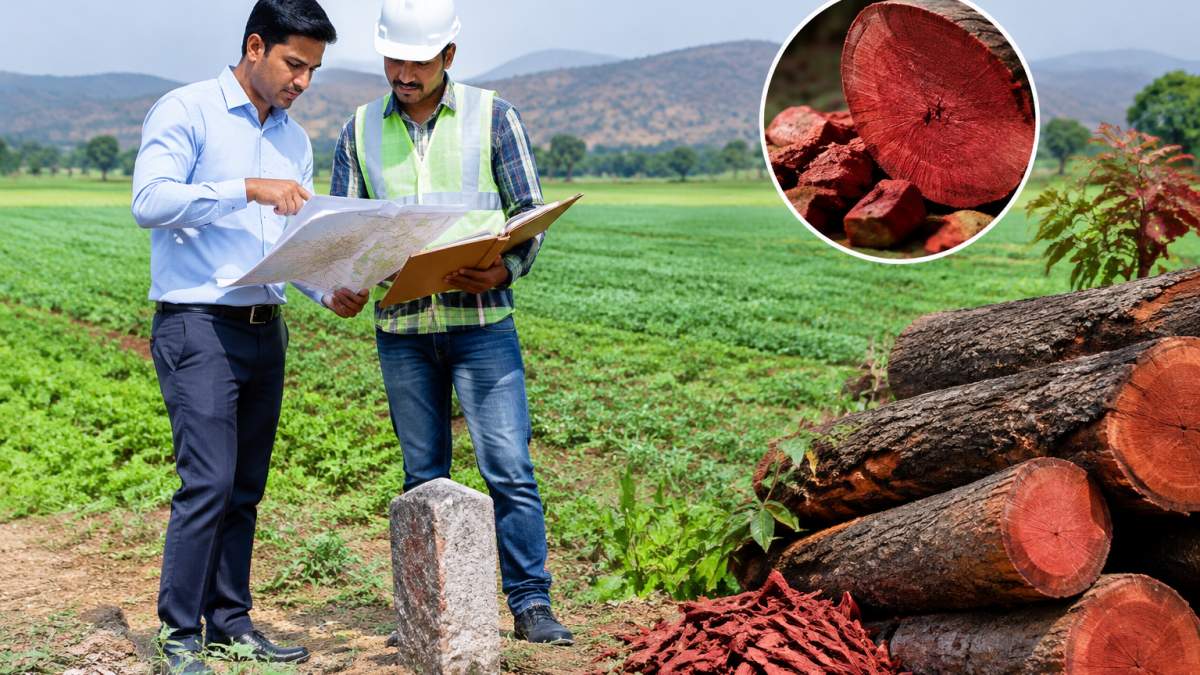
The order is not optional. Each stage produces a document the next stage demands, so a weak title deed stops a zoning check, and a zoning mismatch stops the application before it is read.
Confirm Ownership and Land Records
Start with the revenue records, not the sale deed alone. Your name must appear in the record of rights, and the survey number must match the plot on the ground. Pull the latest revenue extract, cross-check the survey number, and confirm there is no encumbrance, mutation pending, or inheritance dispute. For a deeper walkthrough, see our guide on how to verify Indian agricultural land deeds.
Watch out: in many states, a pending mutation application will freeze the conversion file until it is resolved, so clear any mutation entries before you file.
Check Zoning Rules and the Master Plan
Zoning decides whether conversion is even possible. The development authority's master plan sets the land-use classification for your area, and farmland inside a notified planning zone may already be earmarked for residential, commercial, or industrial use. If the plot sits in an agricultural zone with no proposed change, the application will be refused regardless of paperwork. NRIs face an extra layer here, which our NRI land zoning and conversion rules guide covers in detail.
Apply to the Right Authority and Track the Application
File with the revenue department at the district level, using the state's prescribed form. The file then routes through the local authority and, where applicable, the development authority for zoning clearance.
State variation is the biggest practical hurdle. Each state sets its own conversion route, authority, and forms. Check the current statute and the revenue department's instructions for your district before filing.
These differences mean you cannot rely on a generic checklist. The official portal for each state's revenue department publishes the current form, fee schedule, and tracking mechanism.
Complete Post-Approval Compliance
After the conversion order is issued, the file is not closed. You must update the revenue records to reflect the new land-use classification, pay any revised land revenue or conversion tax, and obtain separate building or planning permission before construction. In many states, the conversion order is only the first clearance; the local municipal or development authority must still approve the site plan and issue a building permit. Skipping this step can lead to stop-work notices or demolition.
Verify post-approval requirements with the local body before you start construction.
Documents Required for Land Conversion Applications
The documents required for land conversion typically include proof of title, revenue records, a zoning clearance, and identity and payment records. Missing one document restarts the clock.
Our working checklist:
- Title deed in the applicant's name
- Latest record of rights extract with the survey number
- Mutation records showing uninterrupted ownership
- Encumbrance certificate
- Survey sketch or site plan prepared by a licensed surveyor
- Master plan or zoning certificate from the development authority
- Identity proof and address proof of the landowner
- Passport-size photographs
- Application form in the state's prescribed format
- Proof of fee payment
- No-dues certificate for land revenue
- Affidavit confirming the land is not assigned, endowment, or tribal land
Two items sink more files than any others: a survey number that does not match the deed, and a plot that falls in a restricted category. Verify both before you pay a single fee.
How the Agricultural Land Conversion Application Online Works
Most states now accept the agricultural land conversion application online through a state portal, though the exact portal and form differ by state. The online route speeds up filing, not approval.
The typical flow:
- Register on the state revenue or e-district portal
- Select the conversion service and enter the survey number
- Upload scanned documents in the required format and size
- Pay the conversion fee online and save the receipt
- Submit and note the application number
- Track status and respond to any query raised by the reviewing officer
The online system handles intake. Site inspection, zoning clearance, and the final conversion order still pass through officials, so expect the file to move at official speed once it leaves the portal.
Land Conversion Approval Time and What Affects It
Land conversion approval time usually runs from a few weeks to several months, and no single national timeline exists. The variation comes from the state, the completeness of your file, and whether a zoning change is needed.
What slows an application:
- A zoning mismatch requiring a separate change-of-land-use request
- Incomplete documents or a survey number discrepancy
- Objections or pending mutation entries
- Site inspection backlogs at the local office
- Fee shortfalls or payment reconciliation issues
What speeds it up: a clean title, a plot already inside a zone that permits the intended use, and a pre-checked document set. The applicants who move fastest confirm zoning before filing, not after.
Matching the Conversion Type to Residential, Commercial, or Industrial Use
The conversion type you request must match the zoning and the intended use. Residential, commercial, industrial, and institutional conversions carry different requirements and different scrutiny.
| Conversion Type | Typical Use | Key Check Before Applying |
|---|---|---|
| Residential | Homes, housing plots | Master plan residential zoning |
| Commercial | Shops, offices, warehouses | Road access and local authority clearance |
| Industrial | Factories, processing units | Environmental and pollution clearances |
| Institutional | Schools, hospitals, trusts | Development authority approval |
Applying for commercial conversion on land zoned residential is one of the most common errors we see. Read the master plan first, then pick the conversion type that matches it.
Common Mistakes, Restrictions, and Post-Approval Compliance
The biggest mistake is treating the conversion order as the finish line. Once approved, you must update the land records, pay the revised land revenue, and obtain building or planning permission before construction.
Restrictions to check before you commit:
- Assigned or government-allotted land is usually not convertible. These lands are granted for a specific purpose, often agriculture, and the grant conditions typically prohibit transfer or change of use without the government's permission. Attempting conversion can lead to resumption of the land.
- Tribal and endowment lands carry heavy restrictions. In many states, tribal land cannot be converted without the consent of the tribal community and the Collector, and endowment land (attached to a temple or religious institution) requires approval from the Endowments Department. Unauthorized conversion of such land is void and can attract criminal liability.
- Ceiling limits may apply to how much land one owner can hold. Under state land ceiling laws, holding agricultural land beyond the ceiling limit can lead to the excess being declared surplus. Conversion of surplus land is generally not permitted.
- Agricultural land near protected areas may need extra clearance. If the plot is within a notified eco-sensitive zone, coastal regulation zone (CRZ), or within a specified distance of a forest, wildlife sanctuary, or national park, you may need a no-objection certificate from the environmental authority or the Forest Department before conversion.
- Land under acquisition proceedings is effectively frozen. If the government has issued a notification for acquisition, conversion applications are typically rejected until the acquisition is withdrawn or completed.
After approval, update the revenue records, keep the conversion order safe, and monitor the plot. Encroachment on vacant land is a real risk, and our guide on protecting land investments from encroachment explains how to guard against it.
If your application is refused, the refusal order usually states the reason, often a zoning mismatch, a title defect, or a restricted land category.
Unauthorized conversion, building or using farmland for non-agricultural purposes without the order, can attract penalties under the state land revenue code, including fines, demolition, and prosecution.
Reviewing a Managed Farmland Investment Before You Commit
Not every buyer needs conversion.
That is the model we run at RedGoldAgro. Each unit includes 1,066 square yards of registered patta land and 104 Red Sandalwood trees in Kanigiri, Andhra Pradesh, with drip irrigation and 24/7 security.
Red sandalwood is the reason this model draws attention. The wood's deep red heartwood is what buyers pay for.
Before committing to any managed farmland, ask for:
- The registered patta deed in your name
- Proof of tree tagging and Forest Department logging
- The yield-share agreement in writing
- Clear documentation supporting future repatriation
For a closer look at how ownership and plantation care work, read our guide to managed Red Sandal farmland. When you are ready to act, you can contact RedGoldAgro to request a farm visit or speak with our team.
Converting farmland is a paperwork-heavy process with real penalties for getting the order wrong.
Frequently Asked Questions
Can agricultural land be converted to residential use in India?
Yes, in most states agricultural land can be converted to residential use, but only after the local authority confirms the parcel falls inside a zone where residential development is permitted under the master plan. You start by checking land-use classification and zoning rules, then file a conversion application with the revenue department or development authority. The approval results in a conversion order and certificate that let you apply for building permission. Procedures, forms, and fees vary by state, so confirm the rules that apply to your specific parcel before you commit.
What documents are required for land conversion?
A typical file includes the title deed, revenue records and survey number details, a recent land survey sketch, proof of identity, the completed application form, and a zoning or master plan clearance from the local authority. Some states also ask for a no-dues certificate, an affidavit on intended use, and a site inspection report. Because requirements differ by state, request the official checklist from the revenue department or development authority handling your district before you submit, and keep certified copies of every document for your own records.
How long does land conversion approval time usually take?
Approval time depends on the state, the completeness of your file, and whether the parcel needs zoning clearance or a site inspection. Files with clean ownership records and a use that already fits the master plan move faster; files with title disputes, missing revenue records, or a change of land use that needs additional review take longer. Ask the receiving office for its current processing estimate in writing, and follow up through the online portal so you have a dated record of each stage.
Can a non-resident Indian apply for agricultural land conversion?
An NRI can hold and convert eligible agricultural land, but the rules on acquisition, holding, and repatriation of agricultural land differ from those for residents, so confirm the FEMA position and state rules before filing. The conversion application itself is filed with the state revenue department or development authority through the landowner or an authorized representative. Keep the conversion order, patta or title deed, and revenue records together, because those documents support both the building permission stage and any future repatriation of sale proceeds.
 Add redgoldagro.com as a preferred source on Google →